Address
304 North Cardinal
St. Dorchester Center, MA 02124
Work Hours
Monday to Friday: 7AM - 7PM
Weekend: 10AM - 5PM
Address
304 North Cardinal
St. Dorchester Center, MA 02124
Work Hours
Monday to Friday: 7AM - 7PM
Weekend: 10AM - 5PM
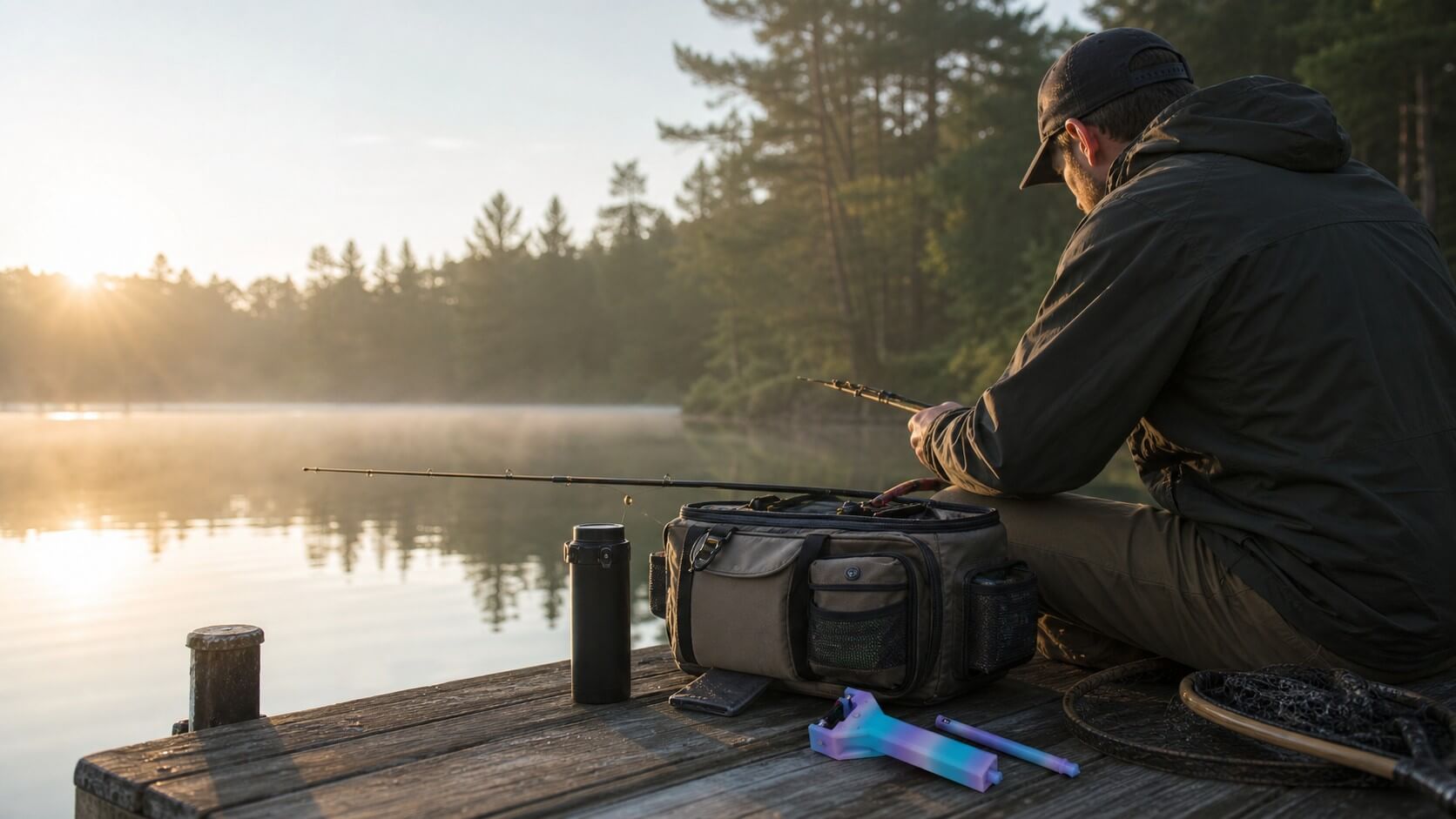
A good fishing trip often begins long before the first cast. It begins when you decide what to carry, how far you will walk, what type of water you will visit, and how much time you want to spend setting up. For many anglers, especially those who travel, fish from different locations, or prefer short recreational trips, portable fishing gear can make the whole experience easier.
Portable does not always mean choosing the smallest product available. The right equipment should be compact enough to carry comfortably while still feeling secure, practical, and suitable for the way you fish. A lightweight tool that is difficult to control or complicated to assemble may be less useful than a slightly larger one with a simpler design.
Here are the most important points to consider when building a convenient portable fishing setup.
Before comparing products, think about where you normally fish. A quiet lake, a riverbank, a pier, and a rocky coastline can place very different demands on your equipment. The distance from your vehicle also matters. If you usually walk a long trail before reaching the water, weight and packability become important. If you fish close to your car, you may have more freedom to carry additional tools.
Weather should also influence your choice. Wind, rain, sand, and saltwater can affect both how equipment performs and how much care it requires afterward. No single portable setup is perfect for every environment, so choose equipment for your most common trips rather than for an unlikely situation.
Manufacturers often describe the working size of a fishing tool, but the packed dimensions may be more useful for travel. Check whether long sections can be detached and whether the parts fit inside your tackle bag, backpack, vehicle storage space, or luggage.
A removable handle or modular construction can reduce the storage length of a product. However, every connection should be easy to understand and inspect. Parts that are small, loose, or difficult to align may be inconvenient beside the water. A practical portable design should be quick to pack without creating a collection of pieces that are easy to lose.
Comfort affects control. Even on a short trip, a poorly shaped grip can make equipment tiring to use. Look for a handle that feels stable in your hand and provides enough space for a natural grip. The surface should not have sharp edges or areas that place unnecessary pressure on your fingers.
Remember that your hands may be wet, cold, or covered by gloves. A product that feels comfortable indoors should also remain manageable in real outdoor conditions. If possible, examine product photographs from several angles to understand the grip shape, controls, and connection points.
Fishing time is more enjoyable when less of it is spent solving equipment problems. Portable gear should be straightforward to assemble, check, use, and put away. Complicated operation can be especially frustrating in low light, cold weather, or changing conditions.
Before using any unfamiliar product, read the supplied instructions and identify how its parts connect. Practice assembly in a dry, well-lit place. This allows you to recognize the correct position of each component before you take it to the water.
Do not assume that two products with a similar appearance operate in the same way. Follow the instructions provided for the exact model you own.
Portable equipment is frequently placed in bags, transported in vehicles, and used on uneven ground. It should be stored so that pressure from other items does not bend, crack, or damage it. Protective wrapping or a dedicated compartment can be valuable even when a product has a strong body.
Look at how easy the exterior is to clean. Fishing gear may be exposed to mud, plant material, bait residue, moisture, or salt. Smooth, accessible surfaces are generally easier to wipe and inspect. If the product includes moving or connected parts, check them regularly for visible wear and make sure they remain clean.
Never rely on an assumed waterproof rating. Unless the manufacturer specifically confirms how a product can be exposed to water, keep it away from immersion and dry it promptly after use.
The usefulness of portable gear depends on the rest of your kit. A carefully selected tool cannot compensate for carrying too many unnecessary items. Review your tackle box from time to time and remove old packaging, duplicate tools, damaged accessories, and equipment that does not match your planned trip.
A simple day kit might include suitable fishing equipment, line and terminal tackle, a small tool set, drinking water, sun or rain protection, a first-aid kit, and any required safety equipment. Pack sharp items securely and keep frequently used tools where they can be reached without emptying the whole bag.
Fishing regulations vary by country, state, province, and even individual body of water. They may cover licenses, seasons, species, catch limits, approved methods, and restricted areas. Always check current information from the responsible local authority before fishing.
Portable equipment makes travel easier, but it does not change the rules that apply at your destination. When traveling by air or crossing borders, also confirm baggage and customs requirements for fishing tools, batteries, hooks, and other accessories.
Color and design can make fishing equipment more enjoyable to own, but practical details should come first. Consider how the product will fit into your bag, how quickly you can prepare it, how it feels in your hand, and how easily it can be cleaned.
At Fishing Roda, we believe fishing gear should support the experience rather than complicate it. A well-organized portable setup gives you more freedom to explore different locations, spend less time carrying unnecessary weight, and focus on the water around you.
The best choice is the one that matches your own fishing habits. Begin with the environment, keep the setup simple, and select equipment you can inspect and maintain with confidence. That approach will help you create a portable kit that is useful not just for one trip, but for many enjoyable days outdoors.


Hi, this is a comment.
To get started with moderating, editing, and deleting comments, please visit the Comments screen in the dashboard.
Commenter avatars come from Gravatar.