Address
304 North Cardinal
St. Dorchester Center, MA 02124
Work Hours
Monday to Friday: 7AM - 7PM
Weekend: 10AM - 5PM
Address
304 North Cardinal
St. Dorchester Center, MA 02124
Work Hours
Monday to Friday: 7AM - 7PM
Weekend: 10AM - 5PM
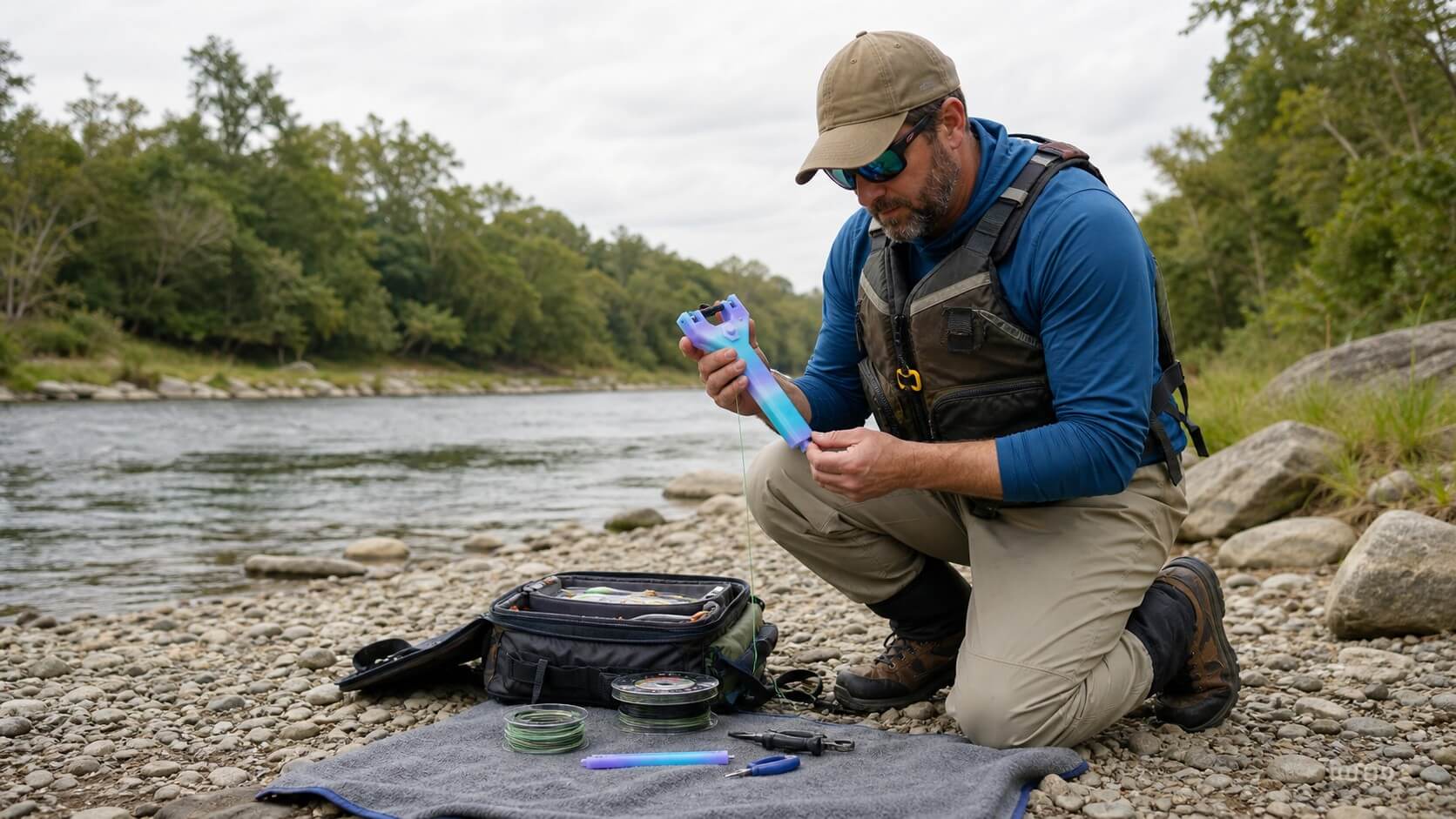
Fishing is relaxing, but the environment around the water can change quickly. Wet surfaces, sharp hooks, strong currents, unstable banks, and unexpected weather all require attention. Equipment should make your trip easier, yet even simple fishing tools need to be inspected and used responsibly.
A safety check does not need to take a long time. A few minutes at home and another quick inspection beside the water can identify loose parts, damaged line, or missing protective equipment before they become a problem.
Use the following checklist as a general starting point, then add the requirements that apply to your location and equipment.
Every new product should be examined before its first outdoor use. Read the supplied instructions, identify all controls and connection points, and make sure you understand the intended operation. If a product has detachable parts, assemble it in a dry and well-lit space first.
Do not modify equipment or use it for a purpose that the manufacturer does not describe. Similar-looking products can have different limits and operating procedures. When specifications are not clear, contact the seller or manufacturer rather than making assumptions.
Keep the instructions or a digital copy available. This can be useful when preparing for a trip or helping another person use the equipment.
Look over the equipment in good light. Check for cracks, deformation, loose fasteners, damaged connection points, or parts that no longer align correctly. Detachable sections should connect securely according to the instructions and should not feel unexpectedly loose.
If something looks damaged, stop using it until it has been properly assessed. Temporary repairs made beside the water may hide a more serious problem. Tape, wire, or improvised fasteners should not be treated as permanent solutions.
After transportation, inspect the equipment again. Heavy objects inside a vehicle or tackle bag can place pressure on portable products without leaving obvious damage to the bag itself.
Fishing line is easy to overlook. Run a careful visual and touch inspection over the working section, watching for abrasion, flattening, discoloration, or weak areas. Replace damaged line rather than cutting away only the most visible mark.
Check knots before casting and after a snag or a demanding retrieve. Hooks, swivels, clips, and other terminal tackle should be appropriate for the fishing method and in usable condition. Rusted, bent, or damaged components should be replaced.
Handle hooks with care. Store them in a closed tackle box and use suitable tools when tying, removing, or handling them. Keep loose hooks away from clothing, bags, seats, and areas where people may place their hands.
Fishing equipment is naturally used near water, but that does not mean every product can be immersed or exposed to heavy rain. Unless a confirmed rating or instruction states otherwise, protect tools from unnecessary water contact.
Place equipment on a clean, dry mat instead of directly on wet soil, sand, or the edge of a dock. If it becomes wet, wipe the exterior and allow it to dry in a ventilated place after the trip. Never store damp equipment inside a sealed bag for long periods.
If a product includes any electrical or powered component, follow its specific charging, storage, and water-exposure instructions. Do not operate damaged electrical equipment or attempt internal repairs without suitable knowledge.
Check the forecast before leaving, including wind, temperature, rain, and storm risk. Conditions beside open water may be different from those at home. Postpone the trip when severe weather is expected, and leave the water immediately if conditions become unsafe.
Wear footwear suitable for the bank, dock, boat, or shoreline. Slippery rocks and muddy slopes require good traction. A personal flotation device is essential in many situations and should always be worn when required by local rules or when conditions call for it.
Carry drinking water, suitable clothing, sun protection, and a basic first-aid kit. Tell someone where you are going and when you plan to return, particularly when fishing alone or in a remote area.
Before every cast, look behind and beside you. Make sure there are no people, branches, cables, structures, or loose objects within the path of the rod, line, or hook. Children and bystanders should remain at a safe distance.
Overhead power lines are a serious hazard. Keep fishing equipment and line well away from electrical infrastructure. If the area does not provide sufficient clearance, choose another position.
Maintain stable footing and avoid standing at the edge of an unstable bank. Never focus so completely on the water that you stop noticing waves, boat traffic, changing currents, or people moving nearby.
Smooth, controlled operation is generally safer than sudden force. If the line is snagged, do not pull recklessly or point equipment toward another person. Hooks and weights can travel rapidly if the line suddenly releases.
Do not wrap fishing line around your hand to gain more pulling strength. Use appropriate tools and follow safe methods for freeing or cutting the line. When a situation cannot be resolved safely, losing a small piece of tackle is better than risking an injury.
Stay within the intended use of your equipment. Avoid testing strength limits or copying dramatic demonstrations seen online, especially when the exact product and conditions are unknown.
Safety continues after fishing. Secure hooks before packing, separate wet items, and make sure every detachable part has been collected. Clean and dry equipment as soon as practical. Note anything that needs replacement before the next trip instead of trusting yourself to remember later.
Store sharp tools and tackle where children cannot reach them. Keep equipment away from excessive heat, direct sunlight, and heavy objects that could cause deformation.
No checklist can remove every outdoor risk, but preparation makes problems easier to prevent and manage. Read the instructions, inspect the equipment, protect yourself for the conditions, create enough casting space, and stop when something does not feel right.
Fishing Roda encourages every customer to treat equipment inspection as a normal part of the trip. It only takes a few minutes, and it helps protect the angler, other people, and the equipment itself. The result is a calmer day with fewer avoidable interruptions and more attention available for the experience of fishing.